
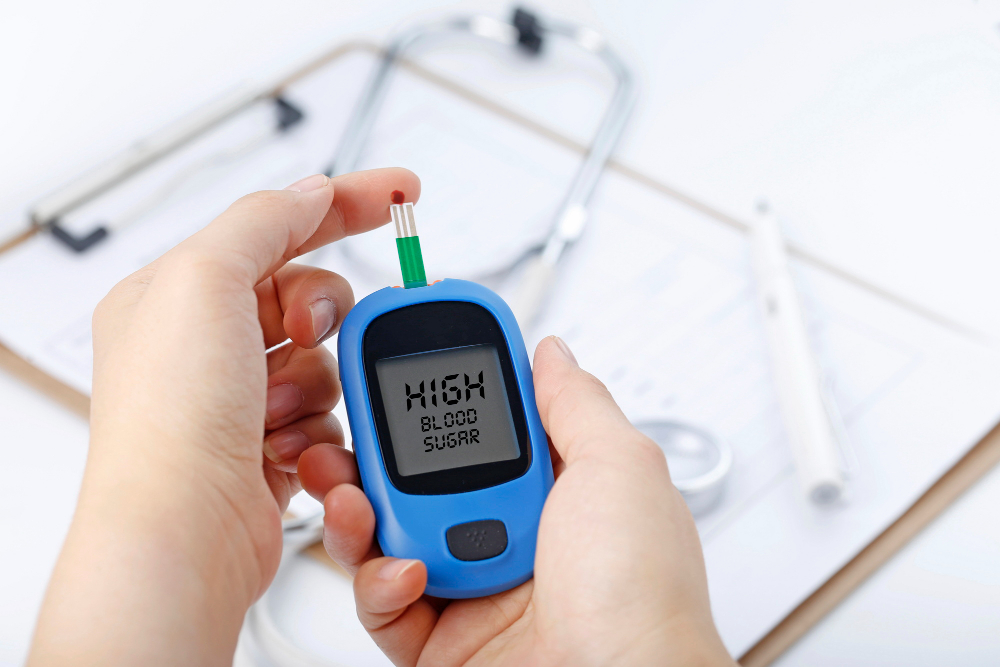
What Is Diabetes?
Diabetes is a long-term health condition. It affects how your body uses sugar, also called glucose. Normally, your body turns food into glucose for energy. However, with diabetes, your body cannot use glucose well. This leads to high blood sugar levels. There are two main types: type 1 and type 2. Both need careful diabetes management to stay healthy.
Why Is Blood Sugar Control Important?
Keeping your blood sugar in a healthy range is very important. When blood sugar is too high or too low, it can harm your body. Over time, high blood sugar can damage your eyes, kidneys, heart, and nerves. On the other hand, low blood sugar can cause you to feel weak or even faint. Therefore, good diabetes management helps prevent these problems and keeps you feeling your best.
Common Symptoms of High and Low Blood Sugar
It is helpful to know the signs of blood sugar changes. This way, you can act quickly if needed.
If you notice these symptoms, check your blood sugar right away. In addition, talk to your doctor if symptoms happen often.
Causes and Risk Factors for Unstable Blood Sugar
Many things can cause your blood sugar to go up or down. For example, eating too much sugar or skipping meals can change your levels. Stress, illness, and some medicines can also affect blood sugar. In addition, lack of exercise or not taking your diabetes medicine as directed can lead to problems. Knowing these risk factors helps you make better choices every day.
Evidence-Based Tips for Maintaining Healthy Blood Sugar
Managing diabetes well takes daily effort. However, small changes can make a big difference. Here are proven tips to help you:
Diet and Nutrition Advice
According to the CDC, a balanced diet is key for diabetes management.
Physical Activity Recommendations
Even small amounts of movement can help. For example, take the stairs instead of the elevator.
Medication Adherence
Proper medication use is vital for blood sugar control, as noted by the WHO.
Stress Management
Stress can raise blood sugar, so managing it is important for diabetes management.
Monitoring and Self-Care Routines
Regular monitoring helps you catch problems early and adjust your routine as needed.
Prevention Strategies for Complications
Good diabetes management helps prevent serious health problems. For example, keep your blood pressure and cholesterol in a healthy range. In addition, see your doctor for regular check-ups. Take care of your feet and eyes, as diabetes can affect them. If you smoke, try to quit, since smoking raises your risk of complications. These steps lower your chance of heart disease, kidney problems, and nerve damage.
When to Seek Medical Help
Sometimes, you may need extra help. Call your doctor if you have:
Early treatment can prevent serious problems. Therefore, do not wait if you feel unwell.
Conclusion: Take Charge of Your Diabetes
Managing diabetes may feel challenging at times, but small, consistent daily steps can make a big difference in your health. Eating well, staying active, taking your medicines on time, and checking your blood sugar regularly all help you stay in control. You don’t have to manage it alone—support is always available.
For personalised guidance, clarity, and a diabetes plan that fits your lifestyle, consult Dr. Usha Gaddam for expert diabetes management advice.