High blood pressure, also called hypertension, means your blood pushes too hard against your artery walls. Heart disease is a group of problems that affect your heart and blood vessels. Understanding the link between high blood pressure and heart disease is important. It helps you take steps to protect your heart health. Many people do not know how high blood pressure causes heart disease, but learning about this connection can save lives.
What Is High Blood Pressure?
High blood pressure happens when the force of blood against your arteries stays high for a long time. Usually, doctors measure it with two numbers, like 120/80 mmHg. The first number is the pressure when your heart beats. The second is the pressure when your heart rests. If your numbers are often above 130/80 mmHg, you may have high blood pressure. Over time, this can damage your blood vessels. According to the CDC, about 1 in 3 adults in the United States has high blood pressure.
What Is Heart Disease?
Heart disease is a term for several problems that affect the heart and blood vessels. The most common type is coronary artery disease. This happens when blood vessels that supply the heart become narrow or blocked. Other types include heart failure and irregular heartbeat. Heart disease can lead to chest pain, heart attacks, or even death. The World Health Organization says heart disease is the leading cause of death worldwide.
How Are High Blood Pressure and Heart Disease Connected?
High blood pressure puts extra strain on your heart and blood vessels. Over time, this strain can cause the arteries to become hard and narrow. As a result, blood does not flow as easily to your heart. This can lead to heart disease. For example, high blood pressure can cause small tears in artery walls. These tears make it easier for fatty deposits to build up. Eventually, this can block blood flow and cause a heart attack. In short, controlling blood pressure is key to preventing heart disease.
Risk Factors and Warning Signs
Many things can raise your risk for high blood pressure and heart disease. Some you can change, while others you cannot. Knowing these risk factors helps you take action early.
Warning signs of heart disease may include chest pain, shortness of breath, or feeling tired easily. However, high blood pressure often has no symptoms. That is why regular check-ups are important.
Diagnosis and Monitoring
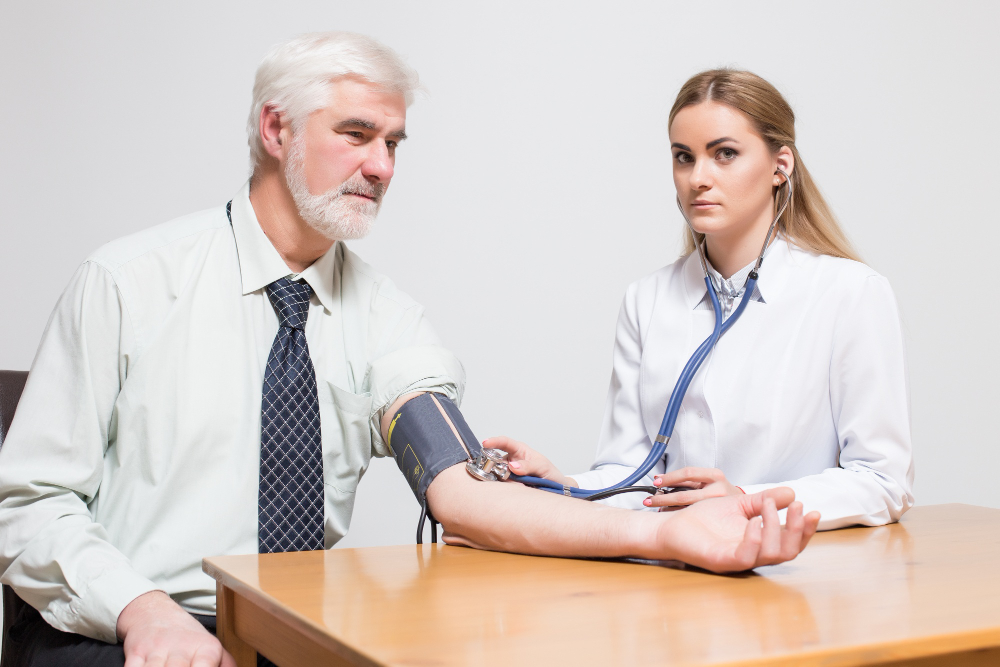
Doctors use a simple blood pressure cuff to check your numbers. They may also order blood tests, heart scans, or an electrocardiogram (ECG) to look for heart disease. Regular monitoring helps catch problems early. If you have high blood pressure, your doctor may ask you to check it at home. Keeping a record of your readings helps your doctor decide on the best treatment.
Prevention and Lifestyle Tips
Fortunately, you can lower your risk of both high blood pressure and heart disease. Small changes in your daily life make a big difference. For example, eating healthy foods and staying active help your heart stay strong.
By following these tips, you can help prevent heart disease with blood pressure control.
Treatment Options
If you have high blood pressure or heart disease, your doctor may prescribe medicines to help lower your blood pressure and protect your heart. Lifestyle changes are equally important, and in some cases, you may need more than one medicine. Your doctor will create the most suitable treatment plan for you. Always take your medicines exactly as directed—never stop or change them without consulting your doctor. With the right treatment and habits, many people live long, healthy lives.
In summary, understanding the connection between high blood pressure and heart disease helps you make better health choices. Early action and healthy habits can protect your heart for years to come.
For personalised guidance on managing blood pressure and reducing your heart disease risk, consult Dr. Usha Gaddam.