
What is High Cholesterol?
High cholesterol and heart health are closely linked. Cholesterol is a waxy, fat-like substance found in your blood. Your body needs some cholesterol to work well. However, too much cholesterol can be harmful. When you have high cholesterol, extra fat builds up in your blood vessels. Over time, this can block blood flow and cause heart problems. In the United States, high cholesterol is a common health issue.
How High Cholesterol Affects Heart Health
High cholesterol can lead to heart disease. When cholesterol builds up in your arteries, it forms plaques. These plaques make it hard for blood to flow. As a result, your heart has to work harder. Sometimes, plaques can break open and cause a blood clot. This may lead to a heart attack or stroke. Because of this, keeping your cholesterol in check is important for heart health.
Symptoms and Risk Factors
Usually, high cholesterol does not cause symptoms. Many people do not know they have it until they get a blood test. Still, some risk factors make high cholesterol more likely. For example, you may be at higher risk if you:
Because high cholesterol symptoms are rare, regular check-ups are important.
Diagnosis and Testing
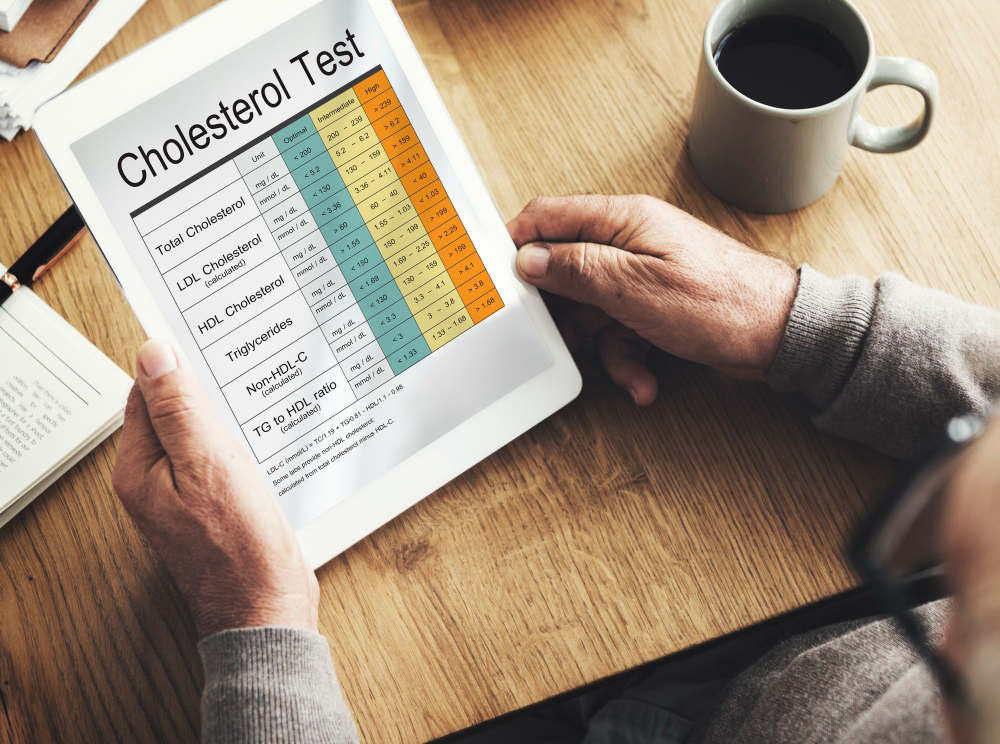
Doctors use a simple blood test called a lipid panel to check cholesterol levels. This test measures:
Usually, you need to fast before the test. Your doctor will explain your results and what they mean for your heart health.
Treatment Options
If you have high cholesterol, your doctor may suggest several treatment options. Sometimes, lifestyle changes are enough. Other times, you may need medicine. Common treatments include:
Your doctor will help you choose the best plan for you.
Lifestyle Tips for Managing Cholesterol
There are many ways to lower cholesterol naturally. For example, you can:
Additionally, heart health tips from experts include managing stress and getting enough sleep. Small changes can make a big difference over time.
Prevention Strategies
Preventing high cholesterol and heart disease is possible. You can:
Because prevention is easier than treatment, start healthy habits early.
When to See a Doctor
It is important to see a doctor regularly for routine check-ups, especially if you have risk factors for high cholesterol. If you have a family history of heart disease, make sure to inform your doctor—early testing and timely treatment can significantly protect your heart health.
In summary, high cholesterol and heart health are closely linked. Simple lifestyle changes, regular monitoring, and proper medical care can help you stay healthy and prevent complications.
For personalised advice on managing high cholesterol and protecting your heart, consult Dr. Usha Gaddam. Your heart health matters.