
Introduction
Winter can be tough for people with asthma. Cold air, dry winds, and indoor heating often make symptoms worse. That is why winter care for asthma sufferers is so important. With the right steps, you can avoid many asthma triggers in winter and breathe easier. This guide will help you understand what causes problems and how to prevent asthma attacks in cold weather.
Understanding Asthma in Winter
Asthma is a long-term lung condition. It causes the airways to swell and narrow. As a result, it becomes harder to breathe. During winter, asthma symptoms can get worse. Cold air and sudden temperature changes often make the airways more sensitive. In fact, the Centers for Disease Control and Prevention (CDC) notes that many people have more asthma attacks in winter. So, it is important to know how winter affects your asthma.
Common Winter Triggers for Asthma
Many things can trigger asthma during winter. However, some triggers are more common when it is cold. Knowing these can help you avoid them.
Because these triggers are everywhere in winter, you need to be extra careful.
Symptoms to Watch For
Asthma symptoms can change in winter. Sometimes, they become more severe. You should watch for these signs:
If you notice these symptoms more often in winter, your asthma may not be under control. Therefore, it is important to act early.
Practical Tips to Avoid Winter Triggers
There are many ways to reduce asthma triggers in winter. For example, you can:
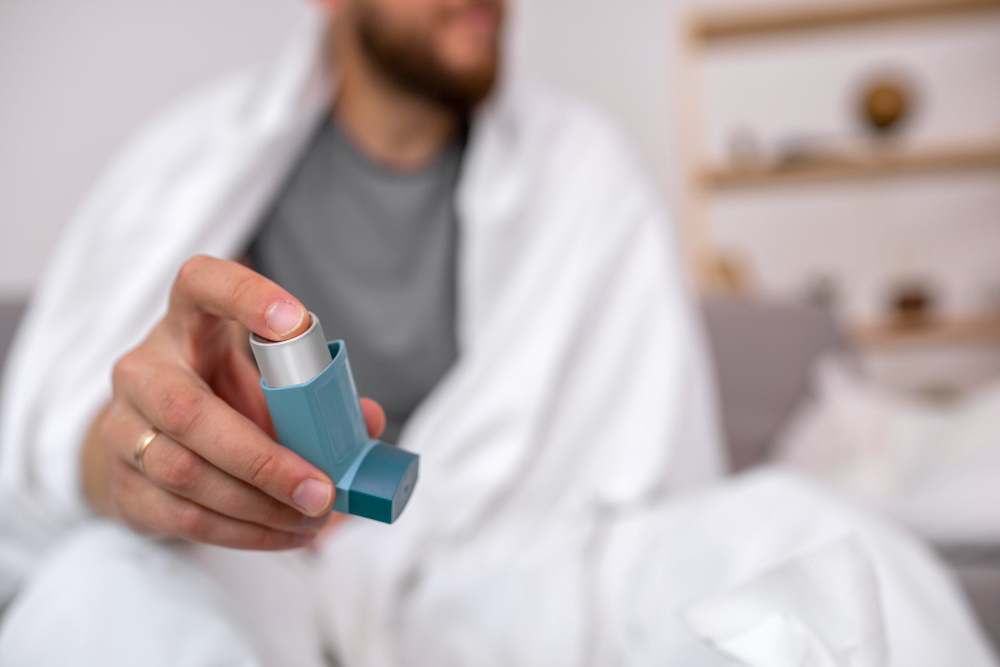
In addition, always carry your inhaler when you go out. This way, you are ready if symptoms start suddenly.
Home and Lifestyle Adjustments
Making small changes at home can help with winter asthma management. Here are some ideas:
Because these steps reduce triggers, you may notice fewer asthma attacks. Also, talk to your doctor about your asthma action plan. This plan should include steps for preventing asthma attacks in cold weather.
When to Seek Medical Help
Sometimes, asthma symptoms can get worse even with good care. You should call your doctor if:
In rare cases, asthma can become a medical emergency. If you have severe trouble breathing, blue lips, or cannot speak, call emergency services right away.
Conclusion
In summary, winter care for asthma sufferers is important for staying healthy. By knowing your triggers and making simple changes, you can prevent asthma attacks in cold weather. For the best winter asthma management, always follow your doctor’s advice. Consult Dr. Usha Gaddam for personalized asthma management this winter. Our experts are here to help you manage your asthma and stay healthy throughout the season.