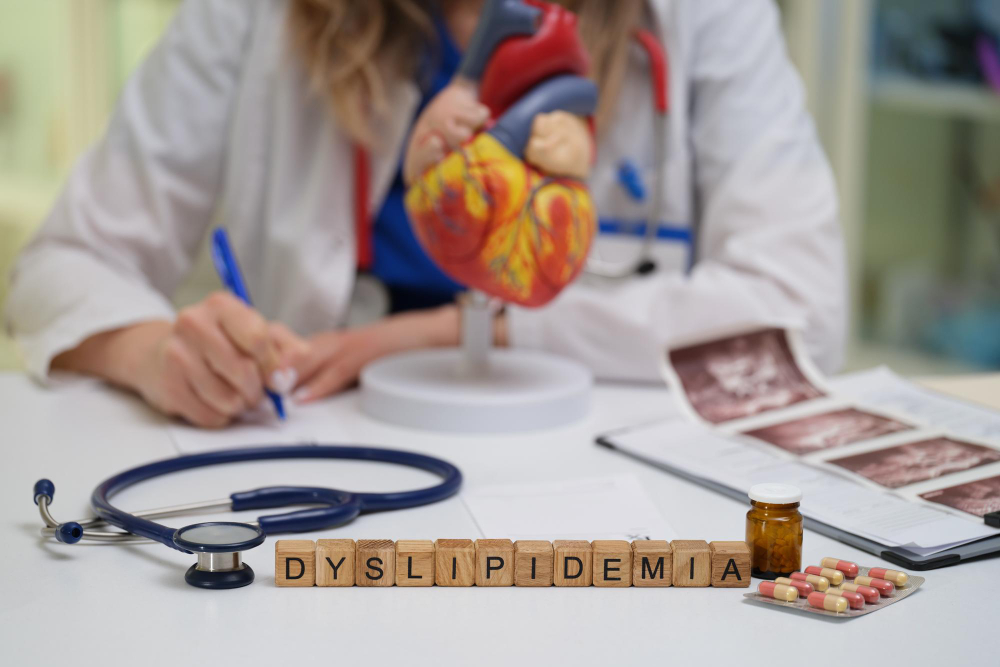
Dyslipidemia is a common health issue that affects many people worldwide. It means there are unhealthy levels of fats, like cholesterol or triglycerides, in your blood. Because these fats can build up in your blood vessels, dyslipidemia can raise your risk for heart disease and stroke. Knowing about dyslipidemia is important for your heart health and overall well-being.
What is Dyslipidemia?
Dyslipidemia happens when your blood has too much or too little of certain fats. These fats include cholesterol and triglycerides. Cholesterol is a waxy substance your body needs, but too much can be harmful. Triglycerides are another type of fat found in your blood. When these levels are not balanced, it can lead to health problems.
There are different types of dyslipidemia. For example, some people have high “bad” cholesterol (LDL), low “good” cholesterol (HDL), or high triglycerides. Each type can affect your heart in different ways.
Common Symptoms of Dyslipidemia
Often, dyslipidemia does not cause any symptoms. Many people do not know they have it until they get a blood test. However, in some cases, you might notice signs if your cholesterol is very high. For example, you may see yellowish bumps on your skin, called xanthomas. These are rare but can be a clue.
Because symptoms are uncommon, regular check-ups are important.
Causes and Risk Factors
Many things can cause dyslipidemia. Some people inherit it from their parents. This is called familial dyslipidemia. However, lifestyle choices also play a big role. Eating foods high in saturated fats, not being active, and being overweight can all raise your risk.
Other risk factors include:
Because some causes can be changed, healthy habits are important for cholesterol management.
How Dyslipidemia is Diagnosed
Doctors diagnose dyslipidemia with a simple blood test called a lipid panel. This test measures your cholesterol and triglyceride levels. You may need to fast for several hours before the test. The results will show your total cholesterol, LDL (bad cholesterol), HDL (good cholesterol), and triglycerides.
Based on these numbers, your doctor can tell if you have dyslipidemia. Regular testing is key, especially if you have risk factors or a family history of high cholesterol.
Treatment Options for Dyslipidemia
Treating dyslipidemia often starts with lifestyle changes. For many people, eating healthier and being more active can lower cholesterol. However, some people may also need medicine to help control their levels.
Treatment options include:
Your doctor will help choose the best plan for you. Sometimes, a mix of lifestyle changes and medicine works best.
Lifestyle Tips and Prevention
Even if you do not have dyslipidemia, you can take steps to prevent it. Simple changes can make a big difference. For example, eating more fruits, vegetables, and whole grains helps keep your cholesterol in check. Also, try to limit foods high in saturated fats, like fried foods and fatty meats.
Other helpful tips include:
Because prevention is easier than treatment, start healthy habits early.
When to See a Doctor
It is important to talk to your doctor if you have risk factors for dyslipidemia. For example, if you have a family history of high cholesterol or heart disease, ask about getting tested. Also, see your doctor if you notice any unusual skin changes or have chest pain.
Regular check-ups help catch problems early. Your doctor can guide you on cholesterol management and the best dyslipidemia treatment options for you.
In summary, dyslipidemia is a common but serious condition. Because it often has no symptoms, regular testing is important. Healthy habits and, if needed, medicines can help manage your cholesterol. For personalized advice on dyslipidemia management, consult Dr. Usha Gaddam.