What is Hypertension?
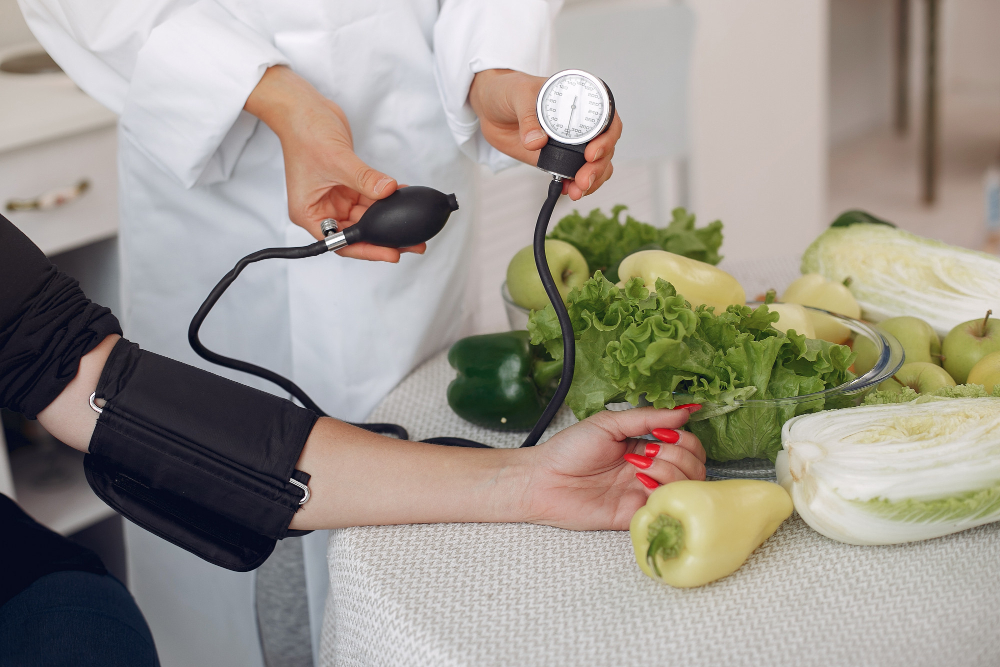
Hypertension, also called high blood pressure, means your blood moves through your arteries with too much force. Over time, this can damage your heart and blood vessels. In fact, many people do not notice symptoms. However, untreated hypertension can lead to serious health problems, like heart attacks or strokes. According to the World Health Organization (WHO), hypertension is a leading cause of heart disease worldwide.
Why Diet Matters in Hypertension
Diet plays a big role in controlling blood pressure. For example, eating too much salt can raise your blood pressure. On the other hand, eating more fruits and vegetables can help lower it. Because of this, making smart food choices is key to managing hypertension. Even small changes in your diet can make a big difference over time.
Key Dietary Modifications
There are several important dietary modifications for hypertension. These changes can help keep your blood pressure in a healthy range:
Reduce salt intake: Try to eat less than 2,300 mg of sodium per day. For even better results, aim for 1,500 mg, as the CDC suggests.
Follow the DASH diet: The DASH (Dietary Approaches to Stop Hypertension) diet focuses on fruits, vegetables, whole grains, and low-fat dairy.
Increase potassium: Foods rich in potassium, like bananas and spinach, help balance the effects of salt.
Limit processed foods: Many packaged foods contain hidden salt and unhealthy fats.
Choose healthy fats: Use olive oil or canola oil instead of butter or lard.
Foods to Include and Avoid
Choosing the right foods can help lower your blood pressure. Here are some foods to include and avoid in your diet for hypertension:
Foods to Include
Fresh fruits (apples, oranges, bananas)
Vegetables (spinach, broccoli, carrots)
Whole grains (brown rice, oats, whole wheat bread)
Low-fat dairy (skim milk, yogurt)
Lean proteins (fish, skinless chicken, beans)
Nuts and seeds (unsalted almonds, sunflower seeds)
Foods to Avoid
Salty snacks (chips, pretzels)
Processed meats (bacon, sausage, deli meats)
Canned soups and instant noodles
Sugary drinks (soda, sweet tea)
Fried foods
Full-fat dairy (cream, cheese)
Sample Daily Meal Plan
Here is a simple hypertension meal plan you can try. This plan follows heart-healthy diet tips and includes foods to lower blood pressure:
Breakfast: Oatmeal with sliced banana and a handful of berries
Snack: Low-fat yogurt with a few unsalted nuts
Lunch: Grilled chicken salad with mixed greens, tomatoes, and olive oil dressing
Snack: Carrot sticks and hummus
Dinner: Baked salmon, brown rice, and steamed broccoli
Dessert: Fresh fruit salad
Practical Tips for Sticking to a Heart-Healthy Diet
Staying on track with dietary modifications for hypertension can be challenging. However, these tips can help you succeed:
Plan your meals ahead of time
Read food labels for sodium content
Cook more meals at home
Use herbs and spices instead of salt for flavor
Keep healthy snacks on hand
Drink water instead of sugary drinks
Ask family or friends for support
Frequently Asked Questions about Diet and Hypertension
Can I eat out if I have hypertension? Yes, but choose grilled or baked foods and ask for less salt.
Is coffee safe for people with high blood pressure? In moderation, coffee is usually safe. However, check with your doctor.
How quickly can diet changes lower blood pressure? Some people see results in a few weeks, but it may take longer for others.
Do I need to avoid all salt? No, but try to limit your intake as much as possible.
For personalized dietary advice on managing hypertension, consult Dr. Usha Gaddam.