
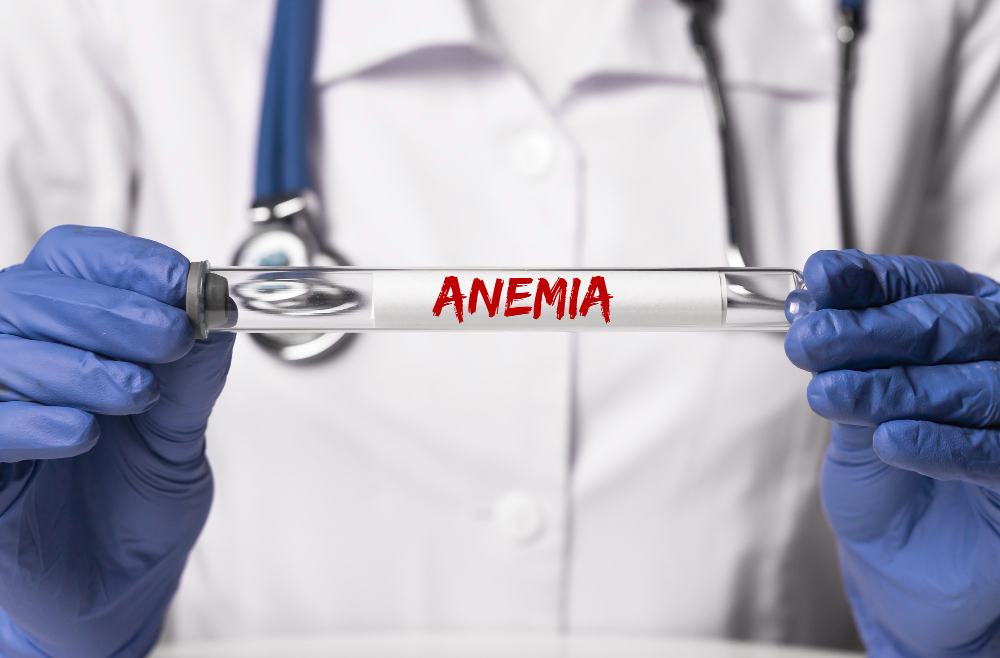
What is Anemia?
Anemia is a common health problem. It happens when your blood does not have enough healthy red blood cells. These cells carry oxygen to your body. Without enough oxygen, you may feel tired or weak. Many people wonder how to know if you are anemic. Understanding the signs and causes can help you take action early.
Common Symptoms of Anemia
Many people with anemia notice changes in how they feel. However, symptoms can be mild at first. Over time, they may become more noticeable. Here are some common signs of anemia:
Sometimes, people may not notice any symptoms. But, if you have any of these signs of anemia, it is important to pay attention.
Causes and Risk Factors
There are many reasons why someone may develop anemia. For example, you might not get enough iron, vitamin B12, or folic acid from your diet. In addition, blood loss from heavy periods or injuries can cause anemia. Some people have health conditions that affect how their body makes red blood cells.
Common risk factors include:
Knowing these causes can help you understand your risk. But, not everyone with these risk factors will develop anemia.
How Anemia is Diagnosed
If you wonder how to know if you are anemic, a doctor can help. First, your doctor will ask about your symptoms and medical history. Then, they may do a physical exam. Most often, a simple blood test called a complete blood count (CBC) is used. This test checks your red blood cell levels and other important numbers.
If the CBC shows signs of anemia, your doctor may order more tests. These can help find the cause. For example, they may check your iron, vitamin B12, or folic acid levels. Sometimes, other tests are needed to look for bleeding or health problems.
When to See a Doctor
It is important to see a doctor if you notice symptoms of anemia. For instance, if you feel tired all the time or have trouble breathing, do not ignore it. Also, if you have pale skin or feel dizzy often, make an appointment. Early diagnosis can help prevent serious problems.
Seek medical help right away if you have:
These can be signs of severe anemia or other health issues. Remember, only a doctor can confirm if you are anemic.
Prevention and Lifestyle Tips
While not all types of anemia can be prevented, you can lower your risk. Here are some simple tips:
In addition, staying active and managing other health problems can help your body stay strong.
If you think you may be anemic, consult Dr. Usha Gaddam for personalized advice.