What is Sepsis?
Sepsis is a serious medical condition. It happens when the body has a strong reaction to an infection. Because of this reaction, the body can harm its own tissues and organs. Sepsis can develop quickly and may become life-threatening. In the United States, sepsis affects many people each year. Early recognition and treatment are very important. According to the CDC, sepsis is a leading cause of death in hospitals. Therefore, knowing about sepsis can help save lives.
Symptoms of Sepsis
Sepsis can start with mild symptoms. However, these can get worse fast. Early signs of sepsis may look like other illnesses. But, it is important to watch for these symptoms:
If you notice these symptoms, especially after an infection or surgery, seek medical help right away. Early treatment can make a big difference.
Causes and Risk Factors
Sepsis is caused by the body’s response to an infection. Most often, bacteria cause these infections. However, viruses, fungi, or parasites can also lead to sepsis. Common sources include:
Some people have a higher risk of sepsis. For example, older adults, babies, and people with weak immune systems are more likely to get sepsis. People with chronic illnesses, such as diabetes or kidney disease, are also at risk. In addition, those with recent surgeries or wounds should be careful. Knowing these risk factors can help with early detection.
How Sepsis is Diagnosed
Doctors use several steps to diagnose sepsis. First, they check for symptoms and ask about recent infections. Next, they may order blood tests to look for signs of infection or organ problems. Sometimes, doctors use urine tests, X-rays, or scans to find the source of infection. Because sepsis can get worse quickly, doctors often start treatment while waiting for test results. Quick diagnosis is key to better outcomes.
Treatment Options for Sepsis
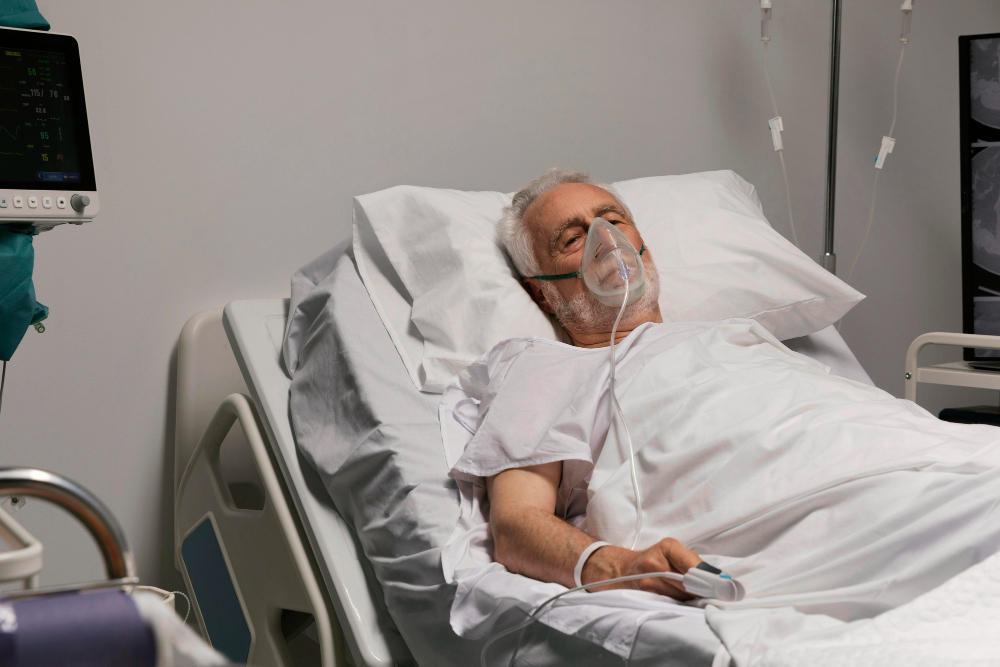
Treating sepsis needs urgent medical care. Most people with sepsis need to stay in the hospital. Common sepsis treatment options include:
Sometimes, surgery is needed to remove the source of infection. Early treatment can lower the risk of serious problems. Therefore, it is important to act fast if sepsis is suspected.
Prevention Tips
Preventing sepsis starts with stopping infections. Here are some simple steps you can take:
By following these tips, you can lower your risk of sepsis. In addition, teaching others about sepsis awareness can help protect your community.
When to Seek Medical Help
Sepsis can become life-threatening in a short time. Therefore, seek medical help right away if you or someone you know has:
Do not wait for symptoms to get worse. Early action can save lives.
If you suspect sepsis, consult a healthcare professional immediately for personalized care.