
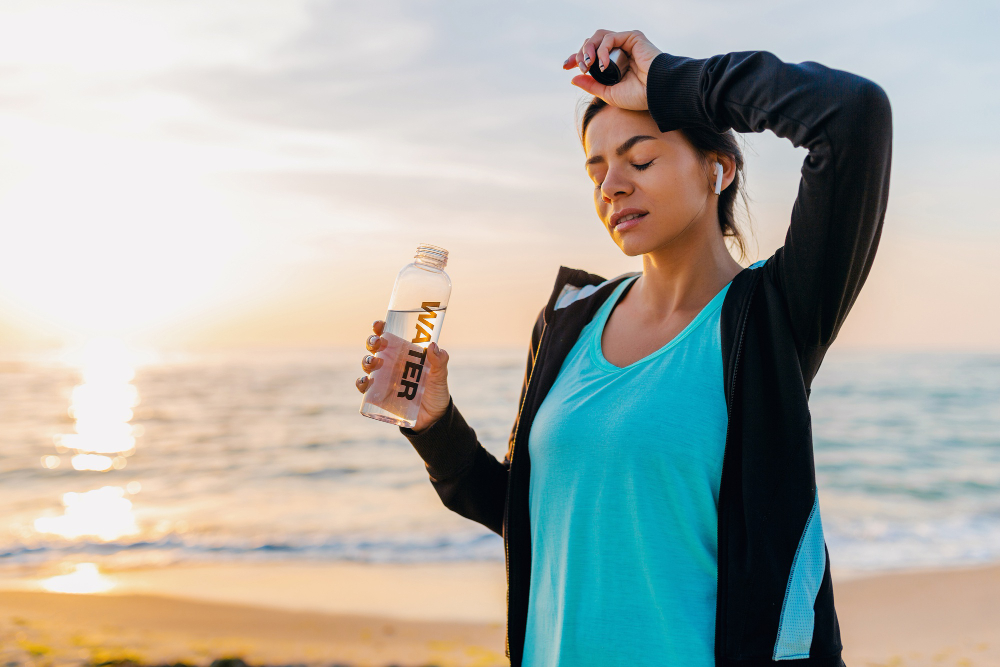
Introduction: What Is Dehydration and Why Does It Matter?
Dehydration happens when your body loses more water than it takes in. This can make you feel tired, dizzy, or even sick. Because water is vital for every part of your body, staying hydrated is important for good health. In this blog, you will find simple dehydration preventive tips to help you stay hydrated and healthy every day.
Common Symptoms and Early Warning Signs
It is important to spot dehydration early. Often, mild dehydration can be fixed quickly if you notice the signs. For example, you may feel thirsty, have a dry mouth, or notice dark yellow urine. Other early warning signs include:
If you notice these signs, try to drink water right away. However, if symptoms get worse, seek help.
Main Causes and Risk Factors
Many things can cause dehydration. For instance, hot weather, exercise, or illness can make you lose more water. Some people are at higher risk, such as children, older adults, and athletes. Other risk factors include:
Because these risks can add up, it is important to know how to prevent dehydration.
Practical Dehydration Preventive Tips
There are many simple ways to prevent dehydration. Here are some easy hydration tips for summer and all year round:
Because everyone is different, your needs may change with age, activity, or climate.
Lifestyle Guidance for Special Groups
Children
Children can get dehydrated quickly. Therefore, offer them water often, especially during play or hot days. Give them water-rich snacks like oranges or grapes.
Elderly
Older adults may not feel thirsty, even when they need water. So, encourage regular sips of water and keep drinks within easy reach. Watch for confusion or weakness, as these can be signs of dehydration.
Athletes
Active people lose more water through sweat. Thus, drink water before, during, and after exercise. For long workouts, consider drinks with electrolytes to replace lost minerals.
Prevention Strategies for Hot Climates and During Illness
Hot or dry weather increases your risk of dehydration. In these regions, drink extra water and stay in the shade when possible. Wear light clothing and avoid outdoor activities during peak heat. If you are sick with fever, vomiting, or diarrhea, drink small amounts of water often. Oral rehydration solutions can help replace lost fluids and salts.
When to Seek Medical Help
Sometimes, dehydration can become serious. Seek medical help if you or someone else has:
Because severe dehydration can be dangerous, do not wait to get help.
Conclusion: Stay Hydrated, Stay Healthy
In summary, following simple dehydration preventive tips can help you stay healthy and active. Drink water often, watch for warning signs, and adjust your habits for weather, activity, and age. If you have concerns or special health needs, consult Usha Gaddam for personalized advice.