
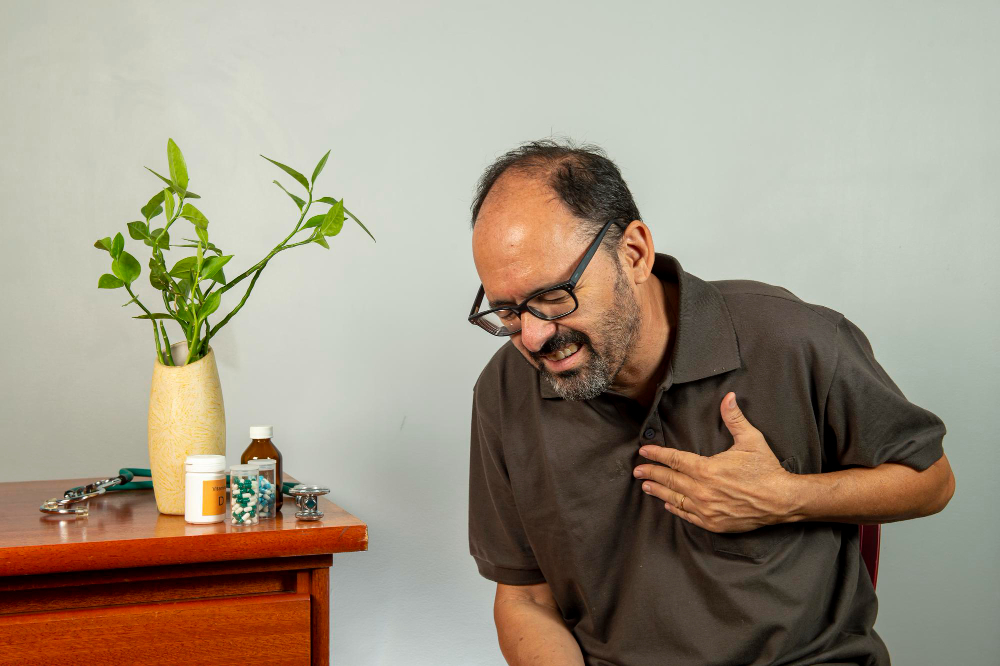
What is a Heart Attack?
A heart attack happens when blood flow to the heart is blocked. This can damage the heart muscle. Most often, a heart attack is caused by a blocked artery. According to the CDC, heart attacks are a leading cause of death in the US. Early treatment can save lives. Therefore, knowing heart attack symptoms is very important.
Sometimes, symptoms are mild or different, especially in women, older adults, or people with diabetes.
What is a Panic Attack?
A panic attack is a sudden feeling of intense fear or anxiety. It can happen without warning. Even though panic attacks feel scary, they are not life-threatening. However, the symptoms can mimic a heart attack. This makes it hard to tell them apart.
Panic attacks often last 10 to 20 minutes. They may happen during times of stress or for no clear reason.
Key Differences Between Heart Attack and Panic Attack
Because both can cause chest pain and shortness of breath, it is easy to confuse them. However, there are some key differences. For example, heart attack pain often starts with physical activity or stress. In contrast, panic attack symptoms may come on suddenly, even at rest. Also, heart attack pain usually does not improve with rest or deep breathing. But panic attack symptoms may get better with calming techniques.
Symptoms Comparison Table
SymptomHeart AttackPanic AttackChest PainYes (often severe, pressure-like)Yes (sharp or stabbing)Pain Spreading to Arm/JawCommonRareShortness of BreathYesYesCold SweatCommonUncommonNausea/VomitingPossibleRareFear of DyingSometimesVery CommonLasts More Than 20 MinutesOftenRarely When to Seek Emergency Help
If you are unsure whether you are having a heart attack or panic attack, call 911 right away. It is always better to be safe. Some signs mean you should seek help immediately:
In the US, emergency services can quickly check for heart attack symptoms. Fast action can save your life.
Diagnosis and What to Expect at the Hospital
At the hospital, doctors will ask about your symptoms. They may do tests such as:
These tests help doctors tell if you had a heart attack or panic attack. If it is a heart attack, you may need medicine or a procedure to open blocked arteries. If it is a panic attack, doctors may suggest counseling or medication for anxiety.
Prevention and Lifestyle Tips
While you cannot prevent every heart attack or panic attack, you can lower your risk. Here are some tips:
For people in the US, many community programs can help with heart health and stress management.
Frequently Asked Questions
If you are unsure whether you are having a heart attack or panic attack, seek emergency medical care immediately. Quick action can save your life. For personalized care and advice, consult Dr. Usha Gaddam.