
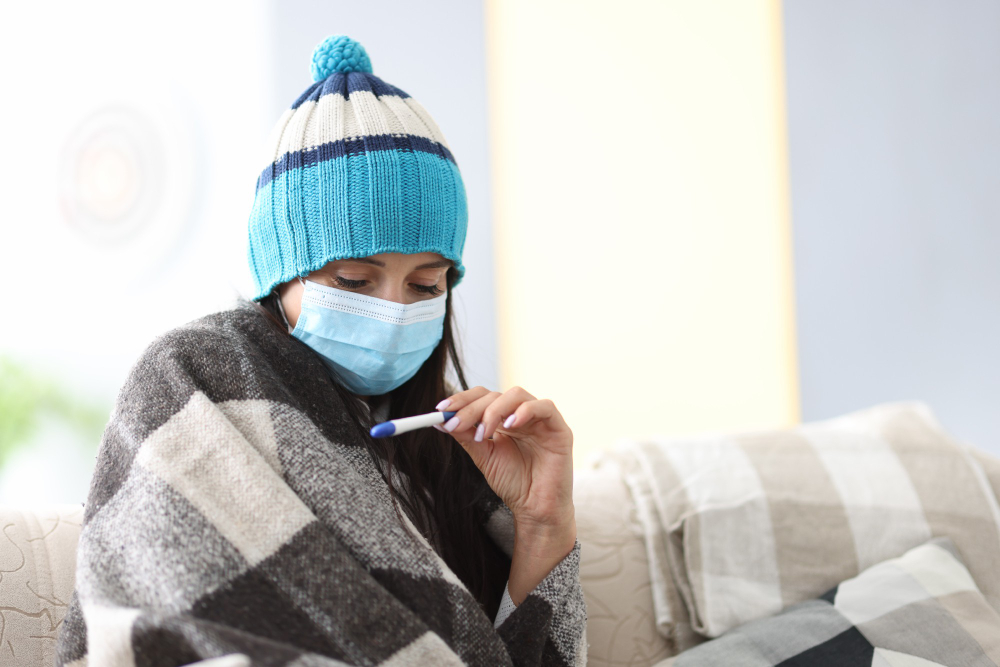
What Is Seasonal Flu?
Seasonal flu, also called influenza, is a common viral infection. It spreads easily from person to person, especially in winter. The flu can make you feel very sick. It often causes fever, cough, and body aches. While most people recover, some can get very ill. Children, older adults, and people with weak immune systems are at higher risk. Because the flu spreads quickly, it is important to know how to prevent the seasonal flu.
Why Is Prevention Important?
Preventing the flu helps protect you and others. For example, it lowers your chance of missing work or school. It also keeps you from spreading the virus to family and friends. In some cases, the flu can lead to serious problems like pneumonia. According to the CDC, thousands of people are hospitalized each year due to the flu. So, taking steps to avoid getting the flu is very important for your health and your community.
Main Symptoms of Seasonal Flu
Knowing the symptoms helps you spot the flu early. While symptoms can vary, most people notice:
However, not everyone will have all these symptoms. If you feel sick, it is wise to rest and watch for signs of the flu.
Top Tips to Prevent the Seasonal Flu
There are many simple ways to avoid getting the flu. Here are the best flu prevention tips for a healthy winter:
Vaccination
Getting a flu vaccine each year is the best way to prevent the seasonal flu. The vaccine helps your body fight the virus. According to the WHO, flu vaccines lower your risk of getting sick and can make symptoms milder if you do get the flu. Most people should get vaccinated before the flu season starts. Ask your doctor about the best time for your area.
Hand Hygiene
Washing your hands often helps stop the spread of germs. Use soap and water for at least 20 seconds. If soap is not available, use a hand sanitizer with at least 60% alcohol. Remember to wash your hands after coughing, sneezing, or touching public surfaces.
Healthy Diet and Hydration
Eating a balanced diet keeps your immune system strong. For instance, include fruits, vegetables, and whole grains in your meals. Drink plenty of water to stay hydrated. A healthy body can fight off infections better.
Avoiding Crowded Places
During flu season, try to avoid crowded places when possible. Viruses spread more easily where many people gather. If you must go out, keep a safe distance from others, especially if they seem sick.
Cleaning and Disinfecting Surfaces
Flu viruses can live on surfaces for hours. Clean and disinfect things you touch often, such as doorknobs, phones, and light switches. This simple step can help stop the spread of germs at home and work.
Wearing Masks (if recommended)
In some places, health experts may suggest wearing masks, especially in crowded or indoor spaces. Masks can help block the spread of flu viruses. Always follow local health guidelines about mask use.
Boosting Immunity with Lifestyle Choices
Good habits help your body stay strong. For example, get enough sleep each night. Exercise regularly, even if it is just a short walk. Try to manage stress, as it can weaken your immune system. These steps make it easier for your body to fight off the flu.
When to Seek Medical Help
Most people recover from the flu at home. However, you should see a doctor if you:
Children, older adults, and people with health problems should get help sooner. Early treatment can prevent serious problems.
In summary, you can stay healthy in winter by following these flu prevention tips. Get your flu vaccine, wash your hands, eat well, and avoid crowds. If you feel sick, rest and seek help if needed. Consult Dr. Usha Gaddam for personalized flu prevention advice. Our healthcare professionals are here to guide you in staying healthy and protected this winter.