
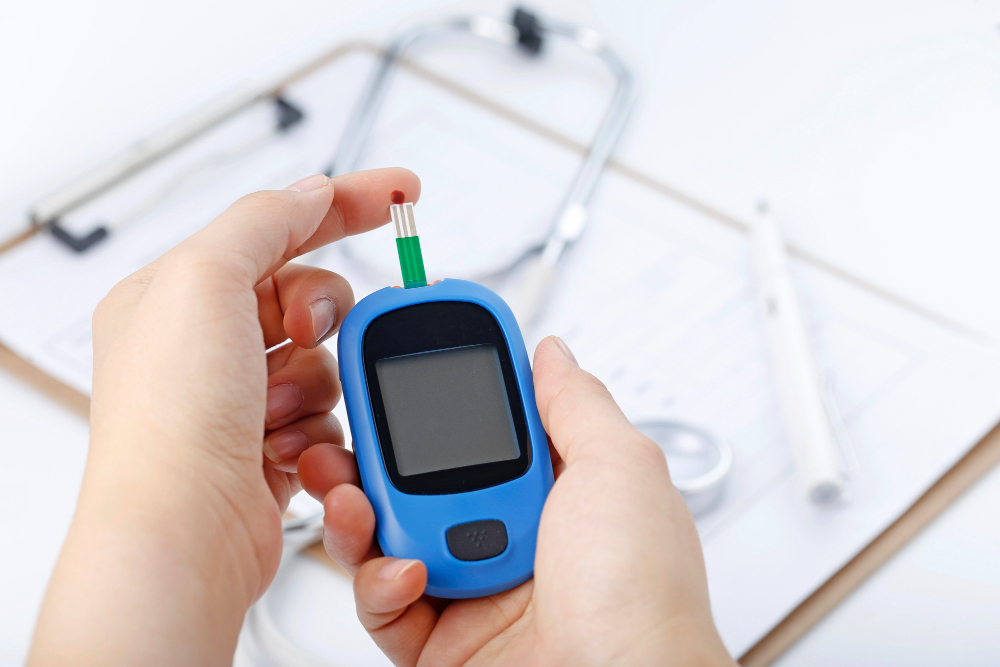
What is Secondary Diabetes?
Secondary diabetes is a type of diabetes that happens because of another health problem or condition. Unlike type 1 or type 2 diabetes, this form is not caused by the body’s own immune system or by lifestyle alone. Instead, it develops when another disease or treatment affects how your body uses insulin. For example, some people ask, “What is secondary diabetes?” It means diabetes that starts after another illness or medical treatment. Understanding secondary diabetes causes and treatment can help you manage your health better.
Causes of Secondary Diabetes
Many different things can lead to secondary diabetes. Often, it happens when another disease or medicine changes how your body handles blood sugar. Here are some common causes:
Because these causes are different from type 1 or type 2 diabetes, it is important to know your risk factors. According to the CDC, some people develop secondary diabetes after organ transplants or cancer treatments.
Symptoms of Secondary Diabetes
Secondary diabetes symptoms are often like those of other types of diabetes. However, they may appear suddenly or along with other health problems. Common symptoms include:
Sometimes, you may notice these symptoms after starting a new medicine or being treated for another illness. If you have any of these signs, you should talk to your doctor right away.
How is Secondary Diabetes Diagnosed?
Doctors use simple blood tests to check for secondary diabetes. First, they may ask about your medical history and any medicines you take. Then, they will check your blood sugar levels. Common tests include:
Sometimes, doctors may also test for the cause of your diabetes, such as checking your pancreas or hormone levels. Early diagnosis helps you start the right treatment sooner.
Treatment Options for Secondary Diabetes
Treating secondary diabetes depends on what caused it. However, the main goal is to keep your blood sugar in a healthy range. Treatment options may include:
In some cases, your doctor may adjust your other medicines to help control your diabetes. According to the World Health Organization, working closely with your healthcare team is key for the best results.
Lifestyle Tips and Prevention
While you cannot always prevent secondary diabetes, you can lower your risk and manage symptoms with healthy habits. Here are some tips:
Additionally, if you have a condition that could lead to secondary diabetes, ask your doctor about ways to protect your pancreas and manage your health.
Conclusion
Secondary diabetes can be managed with the right care and support. If you notice symptoms or have risk factors, talk to your doctor. Remember, early diagnosis and treatment can help you stay healthy.
Consult Dr. Usha Gaddam for personalized advice on secondary diabetes.