
Introduction
Obesity is a growing health concern worldwide. Many people wonder, what is obesity and why does it matter? Obesity means having too much body fat. This condition can affect your health in many ways. In fact, the World Health Organization (WHO) says obesity rates are rising in many countries. Because of this, it is important to know the causes, symptoms, and ways to prevent obesity.
What Is Obesity?
Obesity is a medical condition. It happens when a person has too much body fat. Doctors often use a tool called Body Mass Index (BMI) to check for obesity. BMI is a number based on your height and weight. For adults, a BMI of 30 or higher means you are obese. For example, a person who is 5 feet 6 inches tall and weighs 190 pounds has a BMI of about 31. This puts them in the obesity range. However, BMI is not perfect. Sometimes, it does not show the full picture. But it is a simple way to start.
Causes of Obesity
There are many reasons why someone may become obese. Often, it is a mix of different factors. Here are some common obesity causes:
Because many things can cause obesity, it is important to look at your lifestyle and health history.
Common Symptoms and Health Risks
Obesity can affect your body in many ways. Some people may notice signs right away. Others may not feel any symptoms at first. Still, obesity can lead to serious health problems. Here are some common obesity symptoms and risks:
Obesity also raises the risk of many diseases, such as:
Because of these risks, it is important to take obesity seriously.
Diagnosis
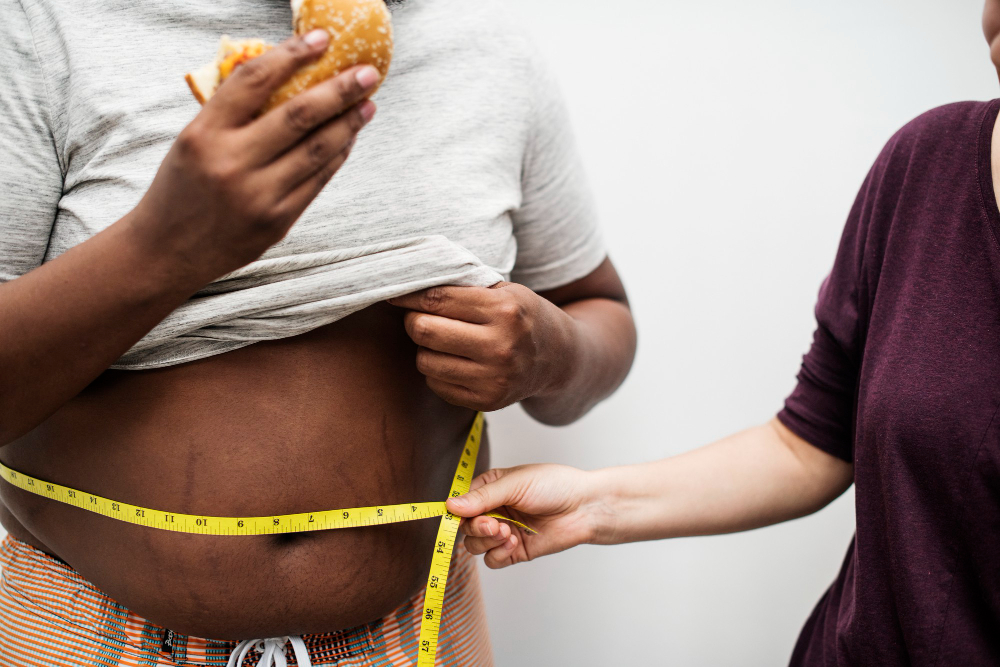
Doctors use several ways to check for obesity. First, they measure your height and weight to find your BMI. Next, they may check your waist size. A large waist can mean more health risks. Sometimes, doctors order blood tests to look for problems like high cholesterol or diabetes. Because each person is different, your doctor may use other tests too. Early diagnosis can help you get the right care.
Prevention and Lifestyle Tips
Preventing obesity is possible for many people. Even small changes can make a big difference. Here are some tips on how to prevent obesity:
Because healthy habits can lower your risk, try to make small changes each week.
When to See a Doctor
If you think you may be obese, it is a good idea to talk to a doctor. You should also see a doctor if you have:
Because early help can prevent serious problems, do not wait to seek advice.
Conclusion
Obesity is a serious health issue, but you can take steps to prevent it. By making healthy choices and staying active, you can lower your risk. If you have concerns about your weight, consult Dr Usha Gaddam for personalized advice.