
Introduction
Pneumonia is a lung infection that can make it hard to breathe. Many people ask, “What is pneumonia?” It is a common illness that affects people of all ages. Pneumonia symptoms can range from mild to severe. Some people may only have a cough, while others may feel very sick. Knowing the pneumonia causes and how to prevent pneumonia can help you stay healthy. In this blog, we will explain what pneumonia is, its symptoms, causes, treatment options, and ways to prevent it.
What is Pneumonia?
Pneumonia is an infection that causes the air sacs in one or both lungs to fill with fluid or pus. This makes it hard for your body to get enough oxygen. Often, pneumonia is caused by bacteria, viruses, or fungi. Anyone can get pneumonia, but it is more common in young children, older adults, and people with weak immune systems. According to the World Health Organization (WHO), pneumonia is a leading cause of illness worldwide.
Common Symptoms of Pneumonia
Pneumonia symptoms can appear quickly or develop slowly. Sometimes, they may seem like a cold or the flu at first. However, symptoms often get worse over time. Watch for these signs:
Sometimes, children may have fast breathing or trouble eating. If you notice these symptoms, seek medical help right away.
Causes and Risk Factors
Pneumonia can be caused by different germs. The most common causes are:
Several risk factors can increase your chance of getting pneumonia. For example, young children and adults over 65 are at higher risk. People with chronic diseases, such as asthma or diabetes, are also more likely to get pneumonia. Smoking, heavy alcohol use, and living in crowded places can raise your risk as well. In some regions, air pollution and poor access to healthcare make pneumonia more common.
How Pneumonia is Diagnosed
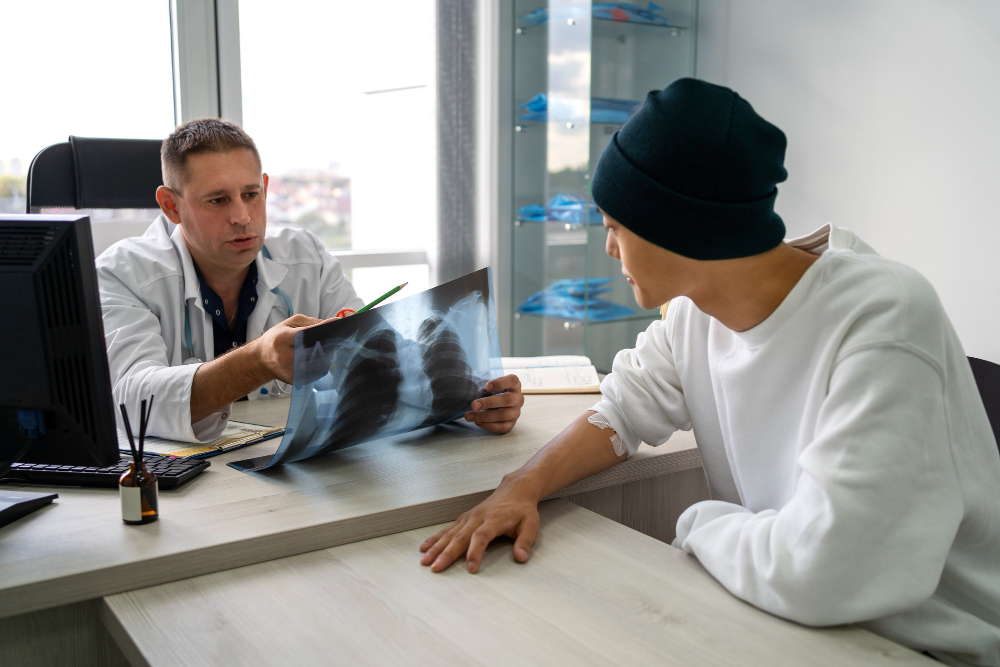
Doctors use several steps to diagnose pneumonia. First, they will ask about your symptoms and listen to your lungs with a stethoscope. Often, they may order a chest X-ray to look for infection in your lungs. Blood tests or a sample of mucus from your cough can help find the cause. Sometimes, other tests are needed if you have severe symptoms or other health problems. Early diagnosis is important for proper pneumonia treatment.
Treatment Options for Pneumonia
Pneumonia treatment depends on the cause and how sick you are. Most people can recover at home with rest and medicine. However, some may need to stay in the hospital. Common treatments include:
For mild cases, rest and fluids are often enough. But, if you have trouble breathing, high fever, or confusion, seek medical care right away. Children, older adults, and people with other health problems may need extra care.
Prevention Tips and Lifestyle Guidance
There are many ways to lower your risk of pneumonia. Here are some helpful tips:
In some areas, air pollution can make pneumonia worse. Try to stay indoors on days with poor air quality. Good hygiene and regular check-ups can also help prevent pneumonia.
Conclusion
Pneumonia is a serious lung infection, but you can take steps to protect yourself. Knowing the symptoms, causes, and treatment options is important. If you think you or a loved one has pneumonia, consult Dr. Usha Gaddam for personalized advice about pneumonia.