
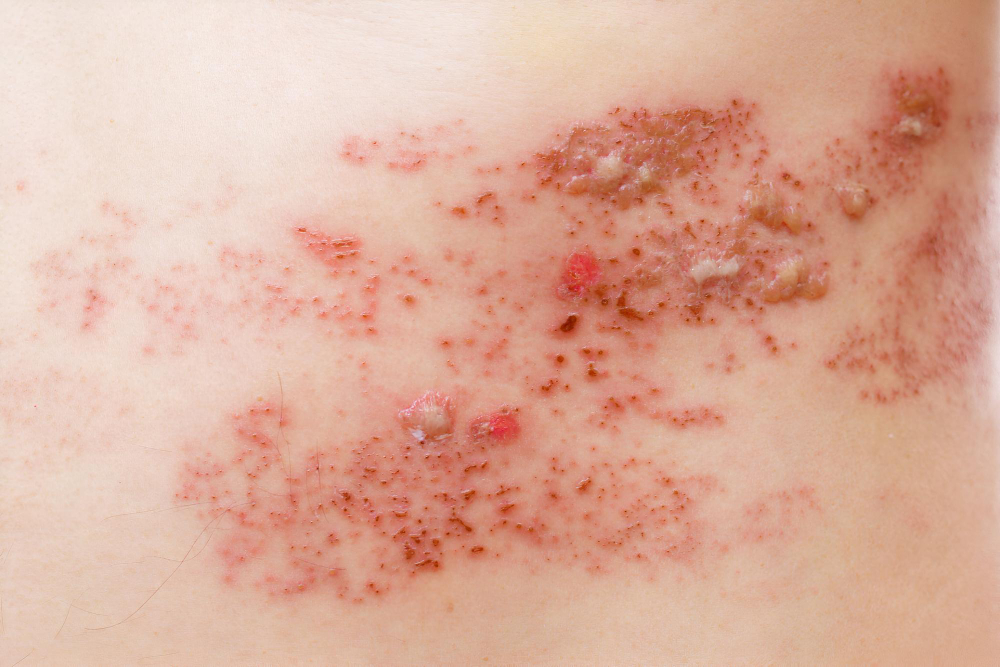
What is Shingles?
Shingles is a painful skin rash caused by the varicella-zoster virus. This is the same virus that causes chickenpox. After you recover from chickenpox, the virus stays in your body. Sometimes, it becomes active again years later. When this happens, it causes shingles. Many people wonder about shingles symptoms and how to prevent shingles. Knowing the basics can help you spot the signs early.
Symptoms of Shingles
Shingles symptoms often start with pain, burning, or tingling on one side of the body. Soon after, a red rash appears. The rash usually forms blisters that can break open and scab over. Not everyone has the same symptoms. However, most people notice these signs:
Sometimes, the pain lasts even after the rash heals. This is called postherpetic neuralgia.
Causes and Risk Factors
The main cause of shingles is the varicella-zoster virus. After you have chickenpox, the virus stays in your nerves. Later, it can reactivate and cause shingles. But why does this happen? Several risk factors make it more likely:
Although anyone who had chickenpox can get shingles, older adults are at higher risk. In addition, people with certain health problems are more likely to develop shingles.
How Shingles is Diagnosed
Doctors usually diagnose shingles by looking at your skin and asking about your symptoms. Because the rash is unique, it is often easy to spot. Sometimes, doctors may take a sample from the blisters. This helps confirm the diagnosis. Blood tests are rarely needed. However, if your symptoms are not clear, your doctor may suggest more tests. Early shingles diagnosis helps start treatment quickly.
Treatment Options for Shingles
There are several shingles treatment options. Early treatment can help reduce pain and speed up healing. Most people recover at home. Your doctor may suggest:
Sometimes, stronger pain medicines or nerve pain drugs are needed. Always follow your doctor’s advice for the best results.
Prevention and Vaccination
Preventing shingles is possible with a vaccine. The CDC recommends the shingles vaccine for adults over 50. The vaccine lowers your risk of getting shingles and its complications. Even if you had shingles before, you can still get the vaccine. In some areas, vaccines may be available at local clinics or pharmacies. Ask your healthcare provider about how to prevent shingles with vaccination.
Lifestyle Tips for Managing Shingles
Managing shingles at home can make you feel better. While you recover, try these tips:
Additionally, avoid contact with people who have not had chickenpox or the vaccine. This helps prevent spreading the virus.
Conclusion
Shingles can be painful, but early diagnosis and treatment help you recover faster. Vaccination is the best way to prevent shingles. If you notice any symptoms or have questions about shingles treatment, consult Dr. Usha Gaddam for personalized advice.